Slow Cooker Cooking: Healthy Meal Tips For When You Have Time
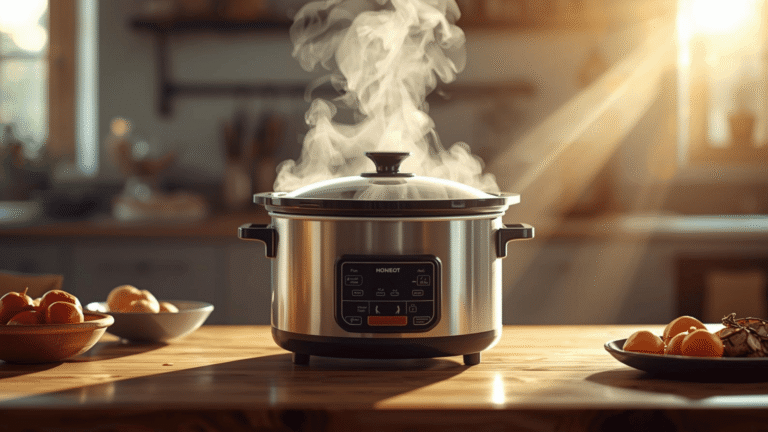
Slow cooker cooking stands out as a practical method for preparing healthy meals, especially when time is available but active kitchen involvement is limited. This approach uses low, steady heat to transform simple ingredients into flavorful, nutrient-packed dishes.
By retaining vitamins and minerals through gentle cooking, it supports balanced nutrition without constant monitoring. Ideal for busy schedules, weekends, or work-from-home days, slow cookers simplify meal prep while promoting healthier eating habits.
Understanding How a Slow Cooker Works
A slow cooker operates on a straightforward principle: it heats food at low temperatures over extended periods, typically ranging from four to ten hours depending on the setting. Most models feature low, high, and warm modes, with programmable timers that switch to warm after cooking to maintain safety and prevent overcooking. The sealed lid traps steam, creating a moist environment that tenderizes ingredients and infuses flavors.
This “set it and forget it” style suits those with limited time for hands-on cooking. For instance, ingredients added in the morning can yield a ready meal by evening. The key is adhering to recipe timings to optimize texture and taste—overcooking can lead to mushy vegetables or dry proteins. If delays occur, the warm setting keeps food safe for up to two hours, but always verify with a food thermometer for internal temperatures above 165°F to ensure safety.
Why Slow Cooker Cooking Promotes Health
Slow cooking excels in preserving nutrients compared to high-heat methods like frying or boiling, which can degrade vitamins. Low temperatures minimize nutrient loss, particularly for water-soluble vitamins in vegetables. It also allows for one-pot meals combining proteins, carbohydrates, and vegetables, fostering balanced nutrition in a single dish.
Lean meats stay juicy due to the moist cooking environment, reducing the need for added fats. This method supports batch cooking, enabling preparation of multiple servings for leftovers or meal prep. Leftovers often taste better as flavors meld overnight, encouraging efficient use of ingredients like surplus vegetables or beans in soups and stews.
However, not all recipes are inherently healthy. Watch for excessive high-fat elements like cream or butter, high-sodium canned goods, or carb-heavy dishes with few vegetables. With mindful choices, slow cooking aligns with health goals, such as incorporating fiber-rich foods or lean proteins.
Essential Healthy Slow Cooker Tips and Techniques
To maximize health benefits, follow proven techniques that enhance flavor, safety, and nutrition.
Prep Ahead for Efficiency
Preparation is crucial. Chop vegetables and trim fat from meats the night before to streamline mornings. Store prepped items in the fridge, then assemble in the cooker. Layering matters: place denser root vegetables like potatoes or carrots at the bottom, where heat is strongest, and meats or delicate items on top. This ensures even cooking without over-softening.
For “dump and go” convenience, combine everything in the pot, refrigerate overnight, and insert into the base in the morning. This saves time while maintaining freshness.
Optimal Liquid Ratios
Slow cookers generate moisture naturally, so avoid excess liquids to prevent watery results. Use only about one-third to one-half cup of broth, wine, or water for most recipes. This concentrates flavors and keeps meals hearty rather than diluted.
Avoid the Danger Zone
Food safety is paramount. Never add frozen ingredients directly; thaw them first to quickly pass the 40-140°F “danger zone” where bacteria thrive. Preheat the cooker before adding items to minimize time in this range. Use the warm setting post-cooking for no more than two hours, and always check internal temperatures.
Flavor Enhancement Without Compromises
Boost taste by sautéing onions, garlic, or searing meats beforehand. This caramelization adds depth without extra calories or sodium. Incorporate herbs and spices liberally—rosemary, garlic, or lemon—for robust flavors minus salt.
Thickening Sauces Healthily
If sauces turn thin, create a slurry with cornstarch and water, stirring it in during the last 30 minutes. Alternatively, remove solids and reduce liquid on the stove for a concentrated, healthier sauce. For creamier textures, blend a portion of the mixture using an immersion blender.
Filling Guidelines
Fill the pot two-thirds to three-quarters full for optimal heat circulation. Overfilling risks uneven cooking; underfilling may cause drying.
Lid Discipline
Resist lifting the lid frequently, as each peek releases heat and extends cooking time by 20-30 minutes. Trust the process for best results.
Healthier Ingredient Substitutions
Transform any recipe into a nutritious option with smart swaps.
- Opt for whole grains over refined carbs: Replace white rice or pasta with quinoa, brown rice, or beans for added fiber and protein.
- Rinse canned goods: Drain and rinse vegetables, beans, or soups to cut sodium by up to 40%.
- Swap creamy elements: Use Greek yogurt instead of mayonnaise or cream for lower fat and higher protein.
- Reduce cheese: Halve the amount in recipes to decrease saturated fat and sodium without sacrificing taste.
- Herb over salt: Fresh or dried herbs like basil, thyme, or oregano provide flavor bursts sans sodium.
- Amp up vegetables: Add hardy options like onions, broccoli, bell peppers, celery, or green beans. Avoid delicate ones like zucchini, which soften excessively.
These adjustments lower overall calories, fats, and sodium while boosting nutrients.
Nutrient-Dense Meal Ideas
Slow cookers shine in creating wholesome meals. Here are ideas focused on balance and variety.
Fiber-Rich Vegetarian Chili
Combine black beans, corn, diced tomatoes, butternut squash, onions, garlic, chili powder, and cumin. Cook on low for 6-8 hours. This yields a high-fiber, plant-based dish packed with antioxidants. Serve with a side salad for added greens.
Lean Protein Stews
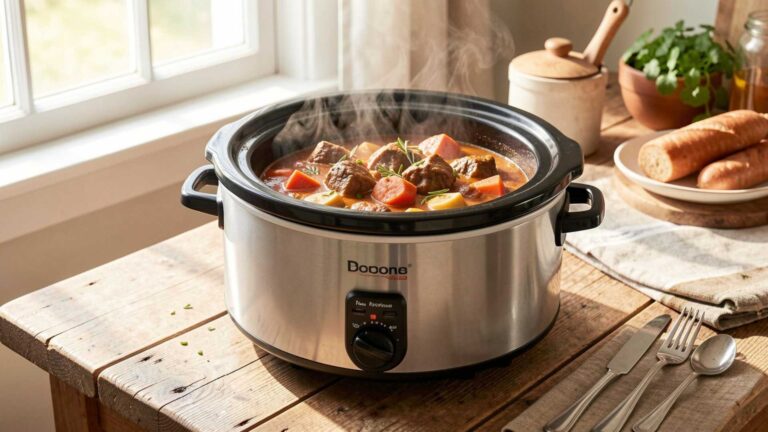
Use chicken thighs or turkey with root vegetables like carrots, potatoes, and parsnips. Add low-sodium broth and herbs. Slow cook on low for 7-8 hours. The result: tender meat with vitamin-rich veggies.
Shredded Chicken Versatility
Place chicken breasts in broth with spices like cumin, paprika, and garlic. Cook on low for 5-6 hours, then shred. Use in tacos with fresh veggies or salads for a protein-forward meal.
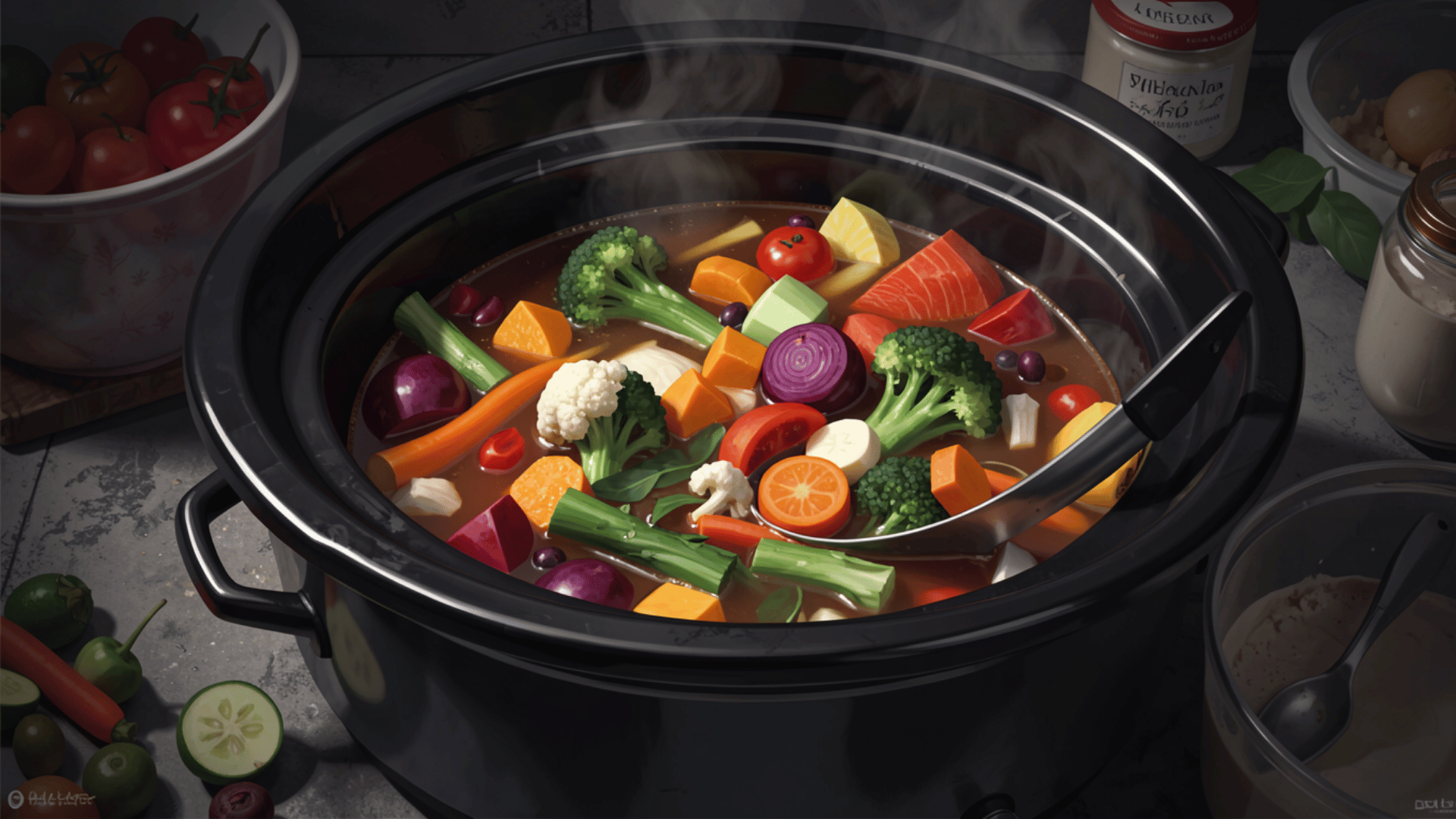
Vegetable-Heavy Soups
Mix lean beef or lentils with celery, carrots, onions, and tomatoes. Season with bay leaves and pepper. Ideal for batching, providing multiple nutrient-dense servings.
For structured inspiration, consider this table of sample recipes:
| Recipe Name | Key Ingredients | Cooking Time (Low Setting) | Nutritional Highlights | Servings |
|---|---|---|---|---|
| Fiber-Rich Chili | Black beans, corn, tomatoes, butternut squash, onions, garlic, spices | 6-8 hours | High fiber, vitamins A and C, plant-based protein | 6-8 |
| Lemon Garlic Chicken | Chicken breasts, carrots, celery, peas, wild rice, lemon, garlic | 6-7 hours | Lean protein, complex carbs, low fat | 4-6 |
| Vegetable Stew | Turkey, potatoes, green beans, carrots, low-sodium broth, rosemary | 7-8 hours | Balanced macros, antioxidants from veggies | 6 |
| Shredded Fajita Chicken | Chicken breasts, bell peppers, onions, cumin, paprika, broth | 5-6 hours | High protein, vitamin-rich peppers | 4-5 |
These recipes emphasize whole foods, minimizing processed items.
Time-Saving Techniques for Busy Lifestyles
Even with time available, efficiency matters.
- Programmable models: Select ones with timers that auto-switch to warm, preventing overcooking.
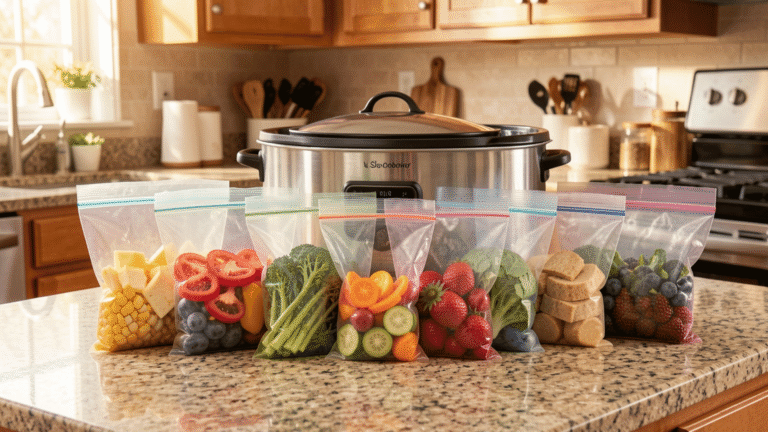
- Batch prep: Prepare multiple meals, freeze in portions, and thaw overnight for quick setup.
- Label smartly: Note instructions on freezer bags, including add-ons like fresh herbs.
- Evaporation trick: Uncover for the last 15 minutes to thicken and intensify flavors.
- Meat optimization: Choose lean or tough cuts; the method tenderizes them naturally, saving on premium meats.
Versatility Beyond Traditional Dishes
Slow cookers aren’t limited to soups and stews.
- Corn on the cob: Wrap in foil with herbs; cook on high for 2-3 hours.
- Baked potatoes: Pierce and place directly in; 4-6 hours on high.
- Oatmeal: Mix oats, milk alternatives, fruits; overnight on low for breakfast.
- Meatloaf: Shape in a loaf pan elevated on foil balls; 4-5 hours on low.
- Whole chicken: Season and cook on low for 6-8 hours, yielding juicy results.
Treat it as a mini oven by elevating pans for baking-like effects, perfect for space-constrained holidays.
For a visual process overview, here’s a flowchart illustrating the slow cooker workflow:
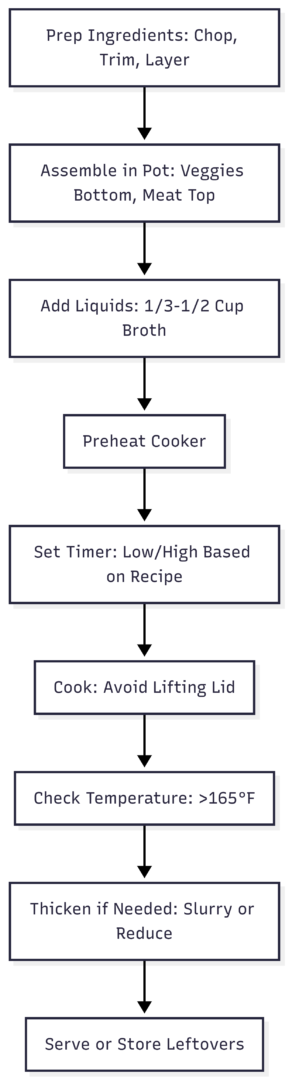
This diagram outlines steps for consistent, healthy outcomes.
Advanced Tips for Mastery
For veterans, refine techniques further.
- Mini batches: Use a heat-resistant cup inside for small portions like dips.
- Warm function limits: Reserve for holding, not cooking; it won’t reach safe heats for raw foods.
- Flavor development: Plan leftovers, as resting enhances taste.
- Economical choices: Leverage for inexpensive cuts, turning them tender.
Selecting the Right Slow Cooker
While specifications vary, consider models with 4-7 quart capacities for families. Programmable ones with digital timers cost $30-80, offering low/high/warm settings. Look for dishwasher-safe inserts for easy cleanup. No specific prices apply universally, but mid-range options balance features and affordability.
Conclusion: Embrace Slow Cooking for Health
Slow cooker cooking bridges convenience and nutrition, ideal when time permits thoughtful prep but not constant attention. By focusing on whole ingredients, smart substitutions, and proven techniques, it delivers meals that support wellness. Experiment with ideas, refine based on preferences, and enjoy the simplicity of flavorful, healthy eating. Whether for daily dinners or batch preps, this method empowers better habits without the hassle.
Please share this Slow Cooker Cooking: Healthy Meal Tips For When You Have Time with your friends and do a comment below about your feedback.
We will meet you on next article.
Until you can read, Can You Reheat Food In A Slow Cooker?