Best Cuts of Beef for Tender Slow Cooker Meals
Slow cooking is one of the most forgiving and rewarding methods in home cooking — but only when you start with the right cut of beef. Throw in a tenderloin or sirloin and you’ll end up with dry, stringy disappointment. Use chuck roast, brisket, or beef shin, and you get melt-in-your-mouth results every time.
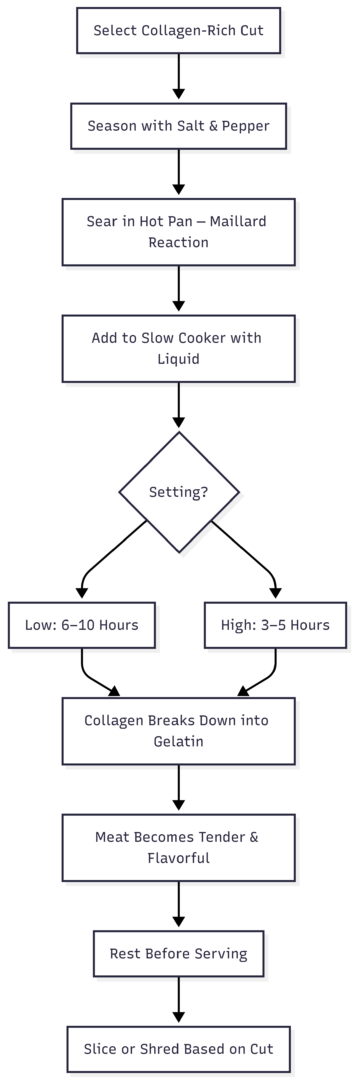
The reason comes down to science. Tougher cuts come from muscles that work hard — the shoulder, legs, and chest. These muscles develop dense connective tissue rich in collagen. When that collagen is exposed to low, sustained heat over many hours, it breaks down into gelatin, which lubricates the meat fibers and creates the tender, juicy, pull-apart texture that defines great slow cooker cooking. Lean, tender cuts like sirloin lack this collagen — they dry out and tighten under prolonged heat instead of softening.
This guide covers every beef cut worth knowing for slow cooker meals, with cooking times, temperatures, what each cut is best for, and a comparison table to help you choose.
Why Cut Selection Is Everything in the Slow Cooker
Most slow cookers operate between 79°C (175°F) on the low setting and 93°C (200°F) on high. At these temperatures, the magic happens slowly — collagen dissolves, fat renders, and muscle fibers relax without drying out. This process takes time, typically 6–10 hours on low depending on the cut.
Cuts that work well share three characteristics:
- High collagen content from connective tissue
- Adequate fat marbling to baste the meat internally and carry flavor
- Dense muscle structure that benefits from prolonged breakdown
Cuts that fail in the slow cooker are the opposite — lean, tender, low-collagen muscles that overcook quickly and have nothing to keep them moist.
The Best Beef Cuts for Slow Cooker Meals
1. Chuck Roast (Shoulder)
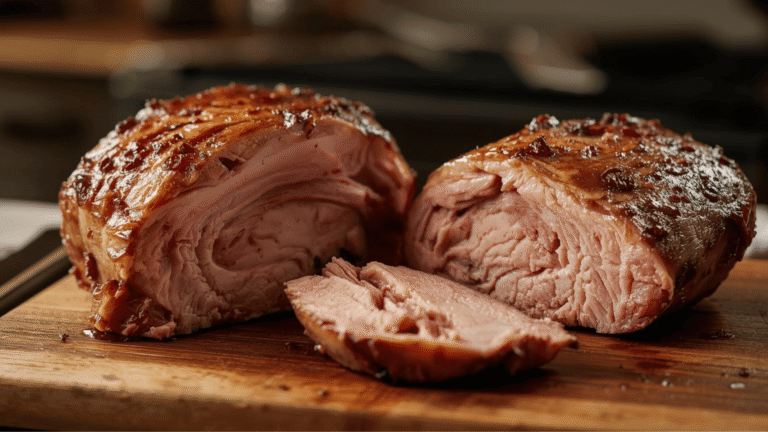
Chuck roast is the undisputed king of slow cooker beef. Cut from the shoulder and upper arm, it’s heavily worked muscle layered with intramuscular fat and collagen. After 8–10 hours on low, it becomes extraordinarily tender — either sliceable or shreddable depending on how long you cook it.
Best for: Pot roast, beef stew, shredded beef tacos, beef sandwiches Fat content: High Flavor: Rich, beefy, deep Price: Budget-friendly (typically one of the lowest-priced roasting cuts)
Sub-cuts of chuck worth knowing:
- Chuck Arm Roast — economical, great for braising; 29g protein per serving, 180 calories
- 7-Bone Chuck Roast — named for the 7-shaped bone; adds extra flavor from the bone during cooking
- Chuck Eye Roast — good value, slightly more tender than standard chuck; 22g protein, 150 calories
- Blade Chuck Roast — inexpensive, loads of flavor, moist and tender when slow-cooked; 26g protein, 210 calories
- Cross Rib Roast — great for slow cooking or oven roasting; holds together well
- Chuck Tender Roast (Mock Tender) — leaner than other chuck cuts; requires plenty of liquid
2. Brisket
Brisket comes from the lower chest of the cow, beneath the first five ribs. It’s a working muscle that carries the weight of the animal, making it tough — but spectacularly flavorful when slow-cooked. Unlike chuck, brisket has two distinct sections: the flat (leaner, better for slicing) and the point (fattier, better for shredding).
Best for: Pulled beef, pot roast, brisket bowls, tacos, pasta Fat content: Medium to high depending on section Flavor: Deeply beefy with a slightly fatty richness Price: Mid-range; can be expensive as a full packer brisket, but affordable in smaller cuts
Brisket benefits from being cooked with liquid — red wine, beef stock, or a combination — and rewards patience more than almost any other cut. At 6 hours it slices. At 8–10 hours it shreds.
3. Beef Shin / Shank (Osso Buco)
Beef shin, taken from the lower leg of the animal, is one of the most collagen-dense cuts available. It’s lean with very little fat marbling, but the connective tissue transforms during slow cooking into rich, sticky gelatin that gives soups and stews an almost silky body.
Best for: Osso buco, hearty stews, slow cooker soups, braised dishes Fat content: Low (but high in collagen) Flavor: Intensely savory, gelatinous, rich Price: Inexpensive — often one of the cheaper cuts at the butcher
Bone-in shin (osso buco style) adds even more flavor from the marrow during cooking. Boneless shin (also called gravy beef in Australia) is easier to portion but equally delicious.
4. Short Ribs
Short ribs are cut from the rib and plate sections of the beef. They’re well-marbled, meaty, and layered with fat and connective tissue that renders beautifully during slow cooking. The result is fall-off-the-bone meat with an intense, almost luxurious flavor.
Best for: Braised short ribs, rich stews, Korean-style galbi, red wine braises Fat content: High Flavor: Intense, rich, complex Price: Higher than chuck or shin — typically mid-to-premium pricing
Short ribs are worth the cost for special occasions. Their fat content means they benefit from being defatted after cooking — skim the surface liquid or refrigerate overnight so the fat solidifies for easy removal.
5. Oxtail
Oxtail — literally the tail of the animal — is loaded with fat, cartilage, collagen, and marrow. It requires long cooking times but produces some of the most flavorful slow-cooked beef available. The gelatin released during cooking creates an extraordinarily silky, rich sauce.
Best for: Oxtail stew, slow cooker soups, Caribbean oxtail, ragu Fat content: Very high Flavor: Rich, deeply savory, gelatinous Price: Varies; historically inexpensive as an offcut but increasing in popularity has raised prices
6. Topside / Top Round
Topside (UK) or top round (US) is a leaner cut from the hindquarters. It lacks the fat and collagen of chuck or brisket, but when cooked with plenty of liquid and not overcooked, it produces tender, sliceable roast beef with a cleaner flavor profile.
Best for: Traditional Sunday roast, sliced pot roast Fat content: Low Flavor: Mild, clean beef flavor Price: Budget-friendly; often the cheapest roasting joint in supermarkets
The key with topside is precision. Unlike chuck or brisket, it won’t improve with extra cooking time — it will dry out. Cook to an internal temperature of 60°C (140°F) for medium and rest properly before slicing.
7. Skirt Steak
Skirt comes from the diaphragm muscles — long, thin, and fibrous. It’s lean and tough, but slow cooking draws out its intense, concentrated beef flavor into surrounding liquid. Less common as a slow cooker cut but effective in stews and soups where it can shred into the sauce.
Best for: Slow cooker stews, chili, beef tacos Fat content: Low to medium Flavor: Intense, mineral-forward Price: Budget to mid-range
Beef Cut Comparison Table
| Cut | Fat Level | Collagen | Best Method | Cook Time (Low) | Best For | Price Range |
|---|---|---|---|---|---|---|
| Chuck Roast | High | High | Slow cooker | 8–10 hrs | Pot roast, stew, shredded beef | Budget |
| Brisket | Medium–High | High | Slow cooker | 8–10 hrs | Pulled beef, pot roast | Budget–Mid |
| Beef Shin/Shank | Low | Very High | Slow cooker | 8–10 hrs | Stew, osso buco, soup | Budget |
| Short Ribs | High | High | Slow cooker | 7–9 hrs | Braises, rich stews | Mid–Premium |
| Oxtail | Very High | Very High | Slow cooker | 8–10 hrs | Oxtail stew, ragu | Mid |
| Topside/Top Round | Low | Low | Slow cooker | 6–8 hrs | Sliced roast beef | Budget |
| Skirt Steak | Low–Medium | Medium | Slow cooker | 6–8 hrs | Stew, chili | Budget–Mid |
Internal Temperature Guide for Slow Cooker Beef
| Doneness | Internal Temperature (°C) | Internal Temperature (°F) |
|---|---|---|
| Rare | 50°C | 122°F |
| Medium Rare | 55°C | 131°F |
| Medium | 60°C | 140°F |
| Well Done | 70°C+ | 158°F+ |
For cuts like chuck, brisket, and shin, internal temperature matters less than time — you’re aiming for full collagen breakdown, which happens regardless of preferred doneness. For topside, use a thermometer to avoid overcooking.
Slow Cooker Method: How the Process Works
Five Non-Negotiable Rules for Slow Cooker Beef
- Sear the meat before it goes in. Browning the exterior in a hot, lightly oiled pan triggers the Maillard reaction — a chemical process that creates hundreds of flavor compounds. This step takes 5 minutes and makes a substantial difference to the final flavor depth. It does not “seal in juices” — that’s a myth — but it does build flavor.
- Never use lean, tender cuts. Sirloin, tenderloin, eye fillet — these cuts are naturally tender because they’re low-stress muscles with minimal collagen. In the slow cooker, they’ll dry out and become tough. Save them for the grill.
- Keep the lid on. Every time you lift the lid, you release steam and drop the internal temperature. This extends cooking time and disrupts the moisture balance. Resist.
- Season carefully. Slow cooking concentrates flavors as liquid reduces. Add a modest amount of salt at the start and adjust at the end after tasting. Over-salting at the beginning often results in an unpleasantly salty finished dish.
- Rest before serving. Resting allows juices to redistribute through the meat. For sliced cuts like topside, rest for at least 15–20 minutes loosely covered in foil. For shredded cuts, resting matters less but still improves texture.
Seasoning and Flavor Layering in the Slow Cooker
Getting the seasoning right in a slow cooker is different from standard cooking because flavors evolve and concentrate over hours. The approach should be layered:
- At the start: Add hardy aromatics — onion, garlic, carrots, celery, bay leaves, and woody herbs like rosemary and thyme. These hold up through long cooking and build the base flavor of the sauce or broth.
- Mid-cook (optional): For dishes with multiple components, faster-cooking vegetables like mushrooms or bell peppers can go in halfway through to retain some texture.
- At the end: Adjust salt, add fresh herbs like parsley or chives, add any acid (a splash of red wine vinegar or lemon juice brightens the whole dish), and check seasoning thoroughly before serving. This is also when dairy like cream or sour cream should be stirred in if the recipe calls for it.
- Spices vs. herbs in slow cooking: Ground spices like cumin, smoked paprika, and coriander bloom well at the start when they contact hot fat during searing. Whole spices like star anise, cloves, or cinnamon sticks hold up through long cooking and can go in at the beginning. Fresh, delicate herbs — parsley, basil, tarragon — should always go in at the very end to preserve their brightness and aroma.
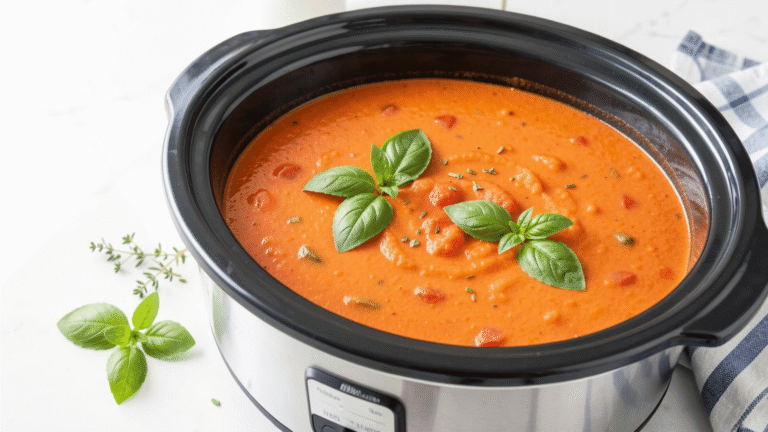
Slow Cooker Beef Stew — Core Recipe
Serves 4–6 | Cook time: 8–10 hours on low
Ingredients:
- 1 kg beef chuck roast, cut into 5cm cubes
- 4 cups beef stock
- 1 large onion, roughly chopped
- 4 carrots, cut into chunks
- 3 celery stalks, sliced
- 4 garlic cloves, minced
- 2 bay leaves
- 1 tsp dried thyme
- 1 tsp smoked paprika
- Salt and black pepper
- 2 tbsp plain flour
- 2 tbsp oil for searing
- 1 cup frozen peas (added in final 15 minutes)
Method:
- Season beef with salt, pepper, and flour. Sear in batches in hot oil until browned on all sides.
- Transfer to slow cooker. Add stock, onion, carrots, celery, garlic, bay leaves, thyme, and paprika.
- Cook on low for 8–10 hours.
- Add frozen peas in the final 15 minutes.
- Adjust seasoning. Remove bay leaves. Serve with crusty bread or mashed potato.
Cuts to Avoid in the Slow Cooker
| Cut | Why It Fails |
|---|---|
| Tenderloin / Eye Fillet | Too lean, no collagen, dries out completely |
| Sirloin | Fine for grilling, turns dry and tough after 6+ hours |
| T-Bone / Ribeye Steak | High-quality cuts that overcook and waste money |
| Rump Steak | Can work briefly but not for long slow cooker sessions |
Final Word
The slow cooker rewards patience and the right cut selection more than any other cooking method. Chuck roast is the reliable everyday choice — affordable, widely available, and consistently excellent. Brisket delivers when you want something to shred. Shin and oxtail produce the most gelatinous, complex sauces. Short ribs are for when you want to impress.
What all of these cuts have in common is what makes slow cooking work: collagen, fat, and time. Give them all three, and the result is the kind of beef that pulls apart at the touch of a fork, soaks up every flavor in the pot, and makes the whole house smell extraordinary.
Please share this Best Cuts of Beef for Tender Slow Cooker Meals with your friends and do a comment below about your feedback.
We will meet you on next article.
Until you can read, Any tips to help slow cooker food retain seasoning?