7 Slow Cooker Tips For Healthy Eating
Slow cookers have become indispensable tools for busy individuals seeking to maintain a nutritious diet without sacrificing convenience. These appliances allow for hands-off cooking that tenderizes lean proteins, preserves essential vitamins and minerals, and infuses flavors naturally, often without the need for added fats or excessive sodium. By simmering ingredients at low temperatures over extended periods, slow cookers help retain nutrients that might otherwise be lost in high-heat methods like frying or boiling.
This makes them ideal for preparing balanced meals rich in vegetables, whole grains, and lean proteins. In this comprehensive guide, we’ll explore seven key tips to maximize the health benefits of your slow cooker, drawing on expert advice from nutritionists and dietitians. We’ll also cover substitutions, common pitfalls, and practical strategies to make healthy eating affordable and effortless.
Understanding the Health Benefits of Slow Cooking
Before diving into the tips, it’s worth noting why slow cookers excel at supporting healthy eating. The low, steady heat—typically between 170°F and 280°F—breaks down tough fibers in meats and vegetables while minimizing nutrient degradation. For instance, water-soluble vitamins like vitamin C and B vitamins are better preserved compared to stovetop cooking, where they can evaporate or leach out. Additionally, since everything cooks in one pot, any released nutrients stay in the broth or sauce, enhancing the overall nutritional profile of the meal.
Slow cookers also promote portion control and batch cooking, allowing you to prepare large quantities of wholesome food that can be frozen or refrigerated for later use. This reduces reliance on processed takeout or high-calorie convenience foods. According to dietitians, incorporating a slow cooker into your routine can lead to lower intake of saturated fats, sodium, and refined carbs, contributing to better heart health, weight management, and sustained energy levels.
To illustrate the nutrient retention process, consider this simple flowchart:
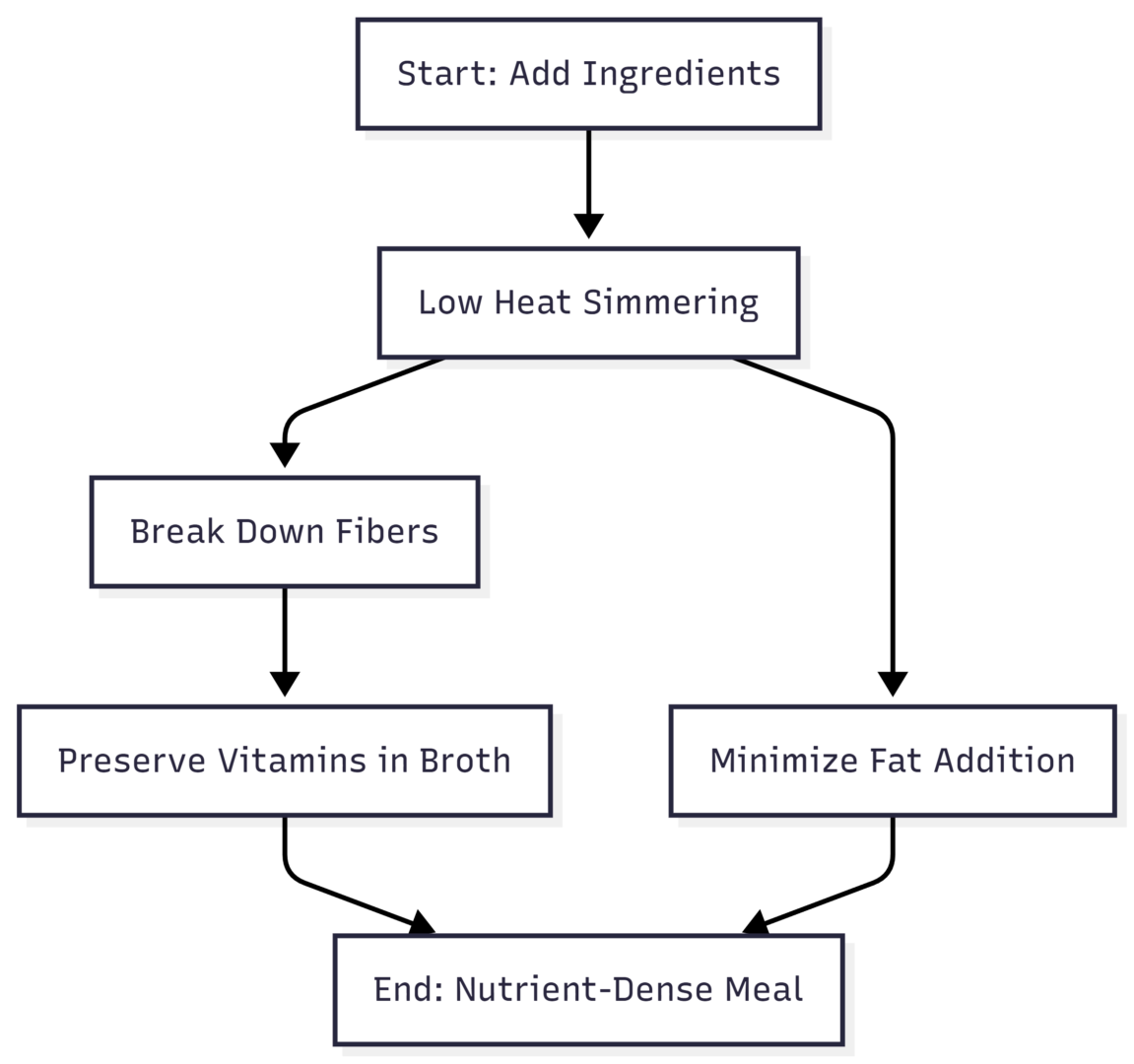
This diagram shows how the cooking method inherently supports health by focusing on natural flavors and minimal additives.
Tip 1: Select Lean Meats and Proteins
Choosing the right proteins is foundational for healthy slow cooker meals. Opt for lean cuts to minimize saturated fat while ensuring tenderness through slow cooking. Skinless poultry like chicken breasts or thighs, pork tenderloin, and beef cuts such as sirloin, eye of round, or chuck roast (trimmed of visible fat) are excellent choices. These proteins become juicy and flavorful when simmered in broth, absorbing herbs and spices without needing oil.
For vegetarian options, incorporate beans, lentils, or tofu, which provide plant-based protein and fiber. Rinse canned beans to reduce sodium by up to 40%. Avoid high-fat meats like pork shoulder unless trimming excess fat beforehand.
Example: Prepare a lemon garlic chicken by placing 4 skinless chicken breasts, 4 carrots, 2 celery stalks, 1 cup peas, and 1 cup quinoa in the slow cooker with low-sodium broth, garlic, and lemon juice. Cook on low for 6-8 hours. This yields about 4 servings, each with approximately 30g protein and under 300 calories.
Table of Recommended Lean Proteins:
| Protein Type | Cut/Option | Fat Content (per 100g) | Protein (per 100g) | Price Estimate (USD per lb) |
|---|---|---|---|---|
| Chicken | Skinless Breast | 3.6g | 31g | $3-5 |
| Pork | Tenderloin | 3.5g | 26g | $4-6 |
| Beef | Sirloin | 5g | 29g | $6-8 |
| Beans | Black (Canned, Rinsed) | 0.5g | 8g | $1-2 |
| Tofu | Firm | 4g | 8g | $2-3 |
Using these selections keeps meals heart-healthy and budget-friendly.
Tip 2: Boost Vegetables and Fiber
Vegetables are the stars of nutritious slow cooker dishes, adding vitamins, minerals, fiber, and bulk to promote satiety without extra calories. Aim to fill at least half your slow cooker with produce like root vegetables (carrots, potatoes, turnips), leafy greens (kale, spinach), and sturdy options (broccoli, bell peppers, celery). These hold up well during long cooking times, releasing antioxidants into the broth.
Add delicate vegetables like zucchini or asparagus in the last 1-2 hours to prevent mushiness. Legumes such as chickpeas or lentils enhance fiber, helping with digestion and blood sugar control.
Practical Application: For a vegetarian chili, combine rinsed kidney beans, diced tomatoes (low-sodium), onions, bell peppers, carrots, and spices like cumin and chili powder. Cook on low for 8 hours. This creates a fiber-rich meal with about 15g fiber per serving.
To visualize vegetable layering for even cooking:
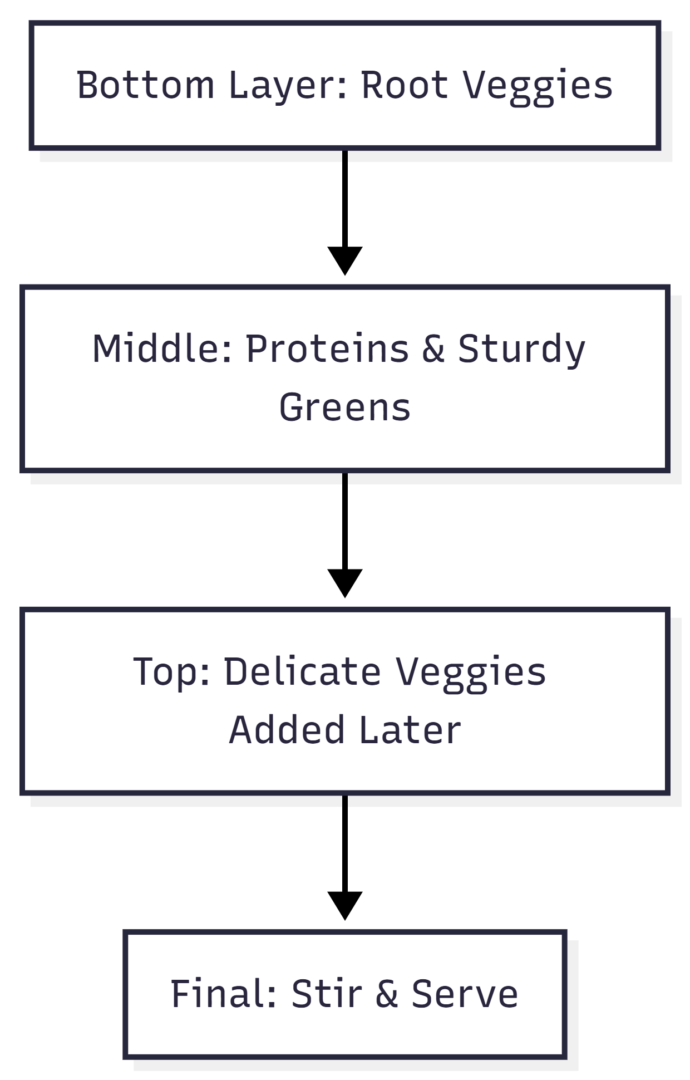
This ensures optimal texture and nutrient distribution.
Tip 3: Make Healthy Substitutions
Swapping high-fat or high-sodium ingredients is key to elevating the nutritional value of any recipe. Replace heavy cream or butter with low-fat Greek yogurt, which adds creaminess and protein while cutting calories. Use coconut milk sparingly at the end for a dairy-free option. Opt for whole-grain alternatives like brown rice or quinoa over white rice to increase fiber.
For thickening sauces, mix cornstarch with water instead of a butter-based roux. Rinse canned goods to slash sodium, and choose low-sodium broths or “lite” juices like cranberry for moisture and flavor.
Substitutions Table:
| Original Ingredient | Healthier Substitute | Benefits | Example Use |
|---|---|---|---|
| Heavy Cream | Greek Yogurt | +Protein, -Fat | Add to stews at end |
| Butter | Olive Oil Spray | -Saturated Fat | For searing meats |
| White Pasta | Whole-Grain Pasta | +Fiber | In casseroles |
| Canned Soup (High-Sodium) | Homemade Broth | -Sodium | Base for soups |
| Mayonnaise | Greek Yogurt | +Protein, -Calories | In dips or dressings |
These changes can reduce a recipe’s fat content by 50% without compromising taste.
Tip 4: Reduce Sodium and Enhance Flavors Naturally
Excess sodium can undermine health benefits, so prioritize low-sodium ingredients. Use fresh herbs (basil, rosemary), spices (cumin, paprika), garlic, citrus zest, or onions to build depth. Avoid salt-heavy canned soups; instead, make your own broth from vegetable scraps.
Tip: Sear meats briefly before adding to the slow cooker to caramelize flavors, reducing the need for salt. This Maillard reaction enhances umami naturally.
Example Recipe: Shredded pork tenderloin with onions, garlic, rosemary, and low-sodium tomatoes. Cook on high for 4 hours. Serves 6, with under 500mg sodium per portion.
Tip 5: Prep Ahead and Batch Cook
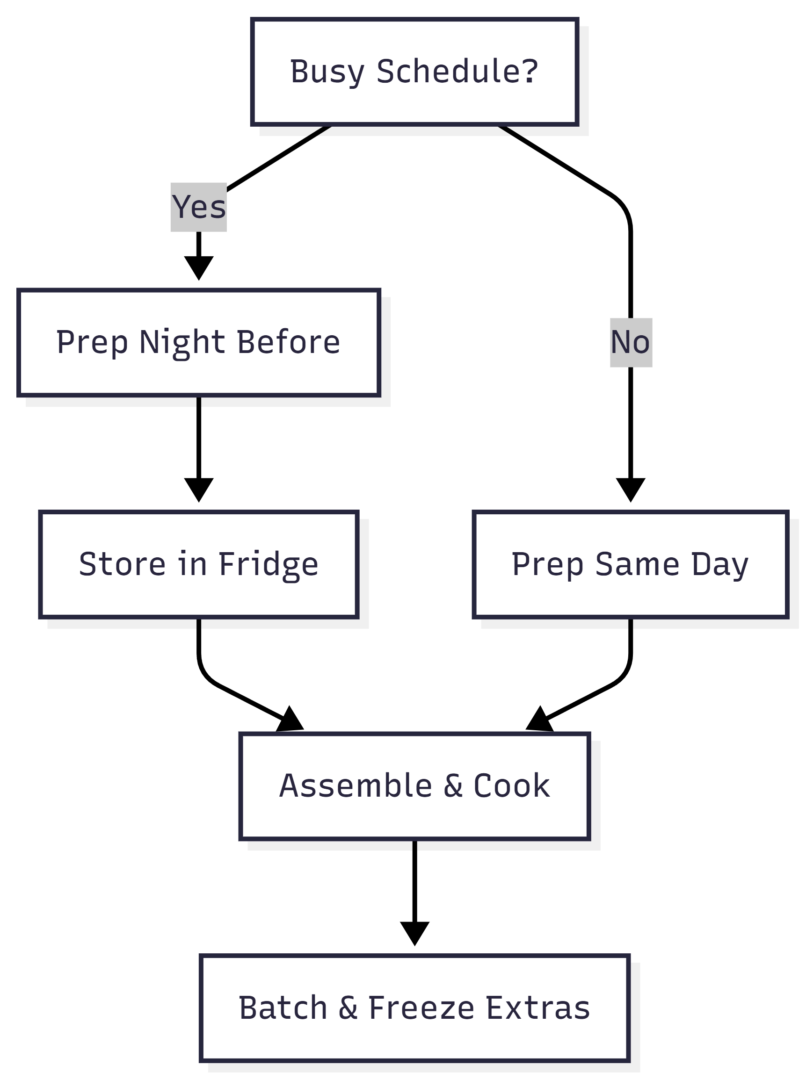
Preparation is crucial for consistency. Chop vegetables, trim fats, and measure spices the night before, storing in the fridge. This streamlines mornings and encourages home-cooked meals over processed options.
Batch cooking amplifies efficiency: Double recipes and freeze portions. This makes healthy eating affordable, as tougher, cheaper cuts like beef chuck become tender.
Decision Tree for Prep:
Tip 6: Choose the Right Settings and Avoid Common Pitfalls
Understand your slow cooker’s settings: Low (7-8 hours to 209°F) for all-day cooking, high (3-4 hours) for quicker meals. Test heat with water (aim for 185°F after 8 hours on low).
Avoid peeking, which adds 15-20 minutes to cook time. Don’t overfill—keep to two-thirds capacity for even cooking. Skim fat post-cooking using ice-wrapped paper towels.
Pitfalls Table:
| Pitfall | Consequence | Solution |
|---|---|---|
| Overcooking Veggies | Mushy Texture | Add delicate ones last |
| Overfilling | Uneven Cooking | Limit to 2/3 full |
| Peeking Frequently | Extended Time | Trust the process |
| Using Frozen Meat | Bacteria Risk | Thaw first |
Programmable models with warm settings (145-165°F) prevent overcooking, holding food safely for up to 2 hours.
Tip 7: Think Beyond Basics and Capture Nutrients
Expand your repertoire: Slow cook applesauce, baked potatoes, or stuffed peppers. Adapt stovetop recipes by browning first.
Maximize nutrients by retaining cooking liquids—use as soup bases or sauces. This recaptures minerals like potassium and magnesium.
Example: Stuffed peppers with quinoa, black beans, tomatoes, and lean ground turkey. Cook on low for 6 hours. Each pepper provides balanced macros: 25g protein, 40g carbs, 10g fiber.
Affordability Angle: Use budget veggies like squash to stretch meals, proving healthy eating isn’t expensive.
Advanced Strategies for Optimal Results
Preheat your slow cooker to avoid the “danger zone” (40-140°F) where bacteria thrive. Ensure meats reach safe internals: 160°F for beef, 170°F for poultry.
For heart-healthy focus, emphasize vegetarian dishes like bean soups. Add thick-cut veggies for fiber.
Specifications for Popular Slow Cookers:
| Model | Capacity | Features | Price (USD) |
|---|---|---|---|
| Crock-Pot 6-Quart Programmable | 6 qt | Low/High/Warm, Timer | $40-50 |
| Instant Pot Duo | 6 qt | Multi-Function, Warm | $80-100 |
| Hamilton Beach Set & Forget | 6 qt | Probe Thermometer | $50-60 |
These oval-shaped models accommodate roasts better.
Conclusion
Incorporating these seven tips transforms your slow cooker into a powerhouse for healthy eating. From selecting lean proteins to natural flavor enhancements, you’ll create meals that are nutritious, flavorful, and effortless. By avoiding pitfalls and embracing substitutions, you can sustain a balanced diet amid busy lifestyles. Experiment with recipes, track your progress, and enjoy the convenience of coming home to wholesome, ready-to-eat dinners. With practice, slow cooking becomes a staple for long-term wellness.
Please share this 7 Slow Cooker Tips For Healthy Eating with your friends and do a comment below about your feedback.
We will meet you on next article.
Until you can read, How to Cook Delicious Budget Meals Using a Slow Cooker