5 Tips for Perfect Slow Cooker Meals
Slow cookers have revolutionized home cooking, offering a convenient way to prepare nutritious, flavorful meals with minimal effort. Whether you’re adhering to a specific diet like Paleo or simply managing a busy schedule, mastering the slow cooker can transform everyday ingredients into exceptional dishes.
This guide distills essential techniques drawn from extensive experimentation, focusing on building depth of flavor, optimizing texture, and avoiding common pitfalls. By applying these five core tips, you’ll elevate your slow cooker game, ensuring meals that are not just edible but truly delectable. We’ll explore each tip in detail, incorporating practical advice, scientific insights, and examples to help you create restaurant-quality results at home.
Tip 1: Browning and Sautéing for Deep Flavor Development
One of the most critical steps in achieving perfect slow cooker meals is browning meats and sautéing aromatics before adding them to the cooker. This process, often overlooked in basic recipes, significantly enhances flavor through the Maillard reaction—a chemical interaction between amino acids and reducing sugars that occurs when food is heated to high temperatures, typically above 140°C (284°F). The result is complex, nutty, savory notes that infuse the entire dish.
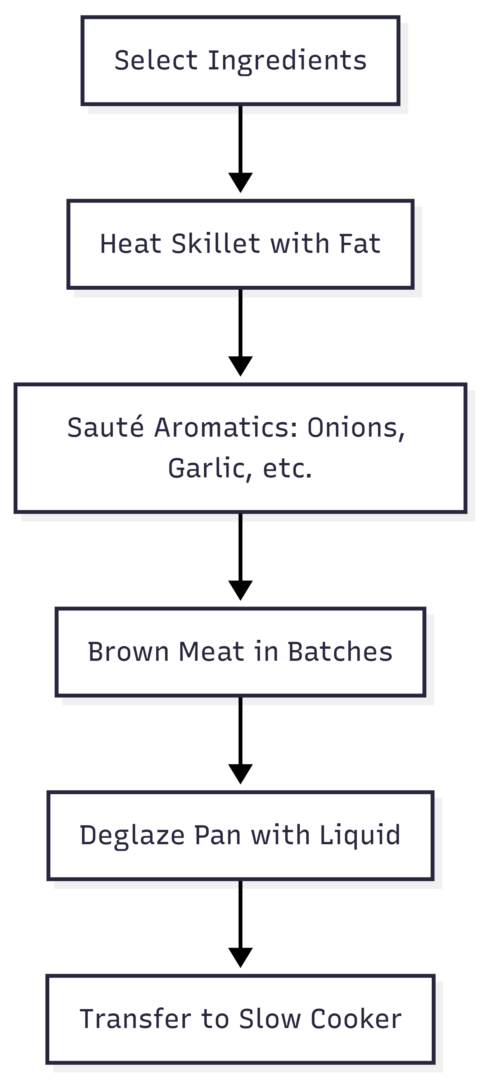
Start by heating a skillet over medium-high heat with a tablespoon of cooking fat, such as ghee, olive oil, or coconut oil for Paleo-friendly options. For aromatics like onions, carrots, celery, garlic, and ginger, sauté them first. Onions, for instance, should cook for about 5 minutes until softened and lightly browned, reducing their moisture and preventing them from overwhelming the dish with raw sharpness. Add garlic in the last minute to avoid bitterness from overcooking. This step not only caramelizes the vegetables but also infuses the oil with their flavors, which carry over to the slow cooker.
Next, brown the meat. Toss it in spices beforehand—such as cumin, smoked paprika, or chili powder—to amplify seasoning. Sear the meat on all sides for a few minutes per side until a golden crust forms. Don’t overcrowd the pan; work in batches if necessary to maintain high heat. After browning, deglaze the skillet with a splash of broth, wine, or vinegar to scrape up the fond (browned bits), which adds umami-rich depth when poured into the slow cooker.
Why does this matter? In a slow cooker, low, moist heat doesn’t allow for browning, so skipping this leads to bland, steamed-tasting meals. For example, in a classic beef stew, browning the chuck roast first creates layers of flavor that permeate the carrots and potatoes during slow cooking. Scientifically, the Maillard reaction produces hundreds of flavor compounds, including pyrazines for nutty aromas and thiophenes for meaty notes.
To illustrate the process, consider this simple flowchart for preparing ingredients:
Apply this to various proteins: For tough cuts like pork shoulder or lamb shanks, browning is essential to break down connective tissues later. Even for ground meats in chili, a quick sear prevents clumping and boosts taste. If your slow cooker has a sauté function (common in modern models), use it to minimize cleanup.
Common mistakes include rushing the process or using too low heat, which steams rather than sears. Aim for a hot pan that sizzles on contact. For vegetarian dishes, brown mushrooms or eggplant to mimic meaty textures. In Asian-inspired recipes, sauté ginger and scallions first for authentic aroma.
This tip alone can turn a watery, one-note meal into a rich, aromatic masterpiece. Experiment with additions like tomato paste during sautéing—it caramelizes quickly, adding sweetness and umami via glutamates. For Paleo adherents, this method aligns perfectly with whole-food cooking, maximizing natural flavors without processed additives.
In practice, for a dish like Easy Slow Cooker Chicken Verde, sauté onions and garlic, brown seasoned chicken thighs, deglaze with salsa verde, then slow-cook for 6-8 hours on low. The result? Tender chicken with vibrant, layered flavors that taste like hours of stovetop simmering.
By investing just 10-15 minutes upfront, you’ll notice a profound difference. Studies from culinary science, such as those by the American Chemical Society, confirm that pre-browning increases perceived savoriness by up to 50% in slow-cooked dishes.
Tip 2: Strategic Seasoning Throughout the Cooking Process
Seasoning is an art in slow cooking, where flavors can either intensify or dissipate over time. The key is timing: Add robust spices early, but reserve salt, pepper, and delicate herbs for the end to prevent blandness or over-seasoning.
Slow cookers operate at low temperatures (around 190-210°F on high, 170-190°F on low), promoting gentle simmering that melds flavors but can mute certain seasonings. Salt, for instance, tends to dissipate as it draws out moisture from ingredients, leading to a flat taste if only added at the start. Always season initially with a moderate amount—about half what you’d use in stovetop cooking—then taste and adjust with salt and fresh-ground pepper just before serving. This ensures a bright, balanced finish.
For herbs and spices, differentiate between dried and fresh. Add dried spices like cumin, oregano, or bay leaves early, ideally during the sauté step, to toast them and release essential oils. Toasting enhances volatility, making aromas more pronounced. However, flavors like those from cayenne or chili powder can intensify dramatically over long cooks, so use sparingly at first and add more if needed after 30 minutes of additional cooking toward the end.
Fresh herbs, such as parsley, cilantro, or basil, lose vibrancy in prolonged heat, turning muted or bitter. Stir them in post-cooking for a fresh pop. Similarly, bold seasonings benefit from layering: Start with base spices, check midway if possible, and boost as required.
To season boldly overall, since slow cooking mellows tastes, increase spice quantities by 20-30% compared to quick methods. Incorporate umami boosters early—soy sauce (or coconut aminos for Paleo), Worcestershire, miso, anchovies, or tomato paste. These contain glutamates and nucleotides that amplify savoriness synergistically.
For example, in Slow Cooker Chorizo Mashed Yams, toast cumin and paprika with onions early, add chorizo to brown, then finish with fresh cilantro and a salt adjustment. This creates a spicy, earthy dish with depth.
Here’s a quick reference table for seasoning timing:
| Ingredient Type | When to Add | Examples | Reason |
|---|---|---|---|
| Dried Spices | Early (sauté or start) | Cumin, Paprika, Chili Powder | Allows flavors to infuse and intensify |
| Salt | Moderate at start, adjust at end | Sea Salt, Kosher Salt | Prevents dissipation and over-salting |
| Fresh Herbs | After cooking | Basil, Cilantro, Parsley | Preserves brightness and aroma |
| Heat-Intensifying Spices | Sparingly at start, add later if needed | Cayenne, Black Pepper | Avoids overwhelming heat buildup |
| Umami Boosters | Early | Tomato Paste, Miso | Builds foundational depth |
This strategic approach counters the slow cooker’s tendency to homogenize flavors, ensuring each bite is vivid. In ramen or stews, finish with grated garlic warmed in oil for a spicy kick. For balance, consider the dish’s profile: Lemony? Add zest at end. Spicy? Punch up with fresh chiles.
Paleo diets benefit here, as whole spices align with clean eating. Avoid over-reliance on salt by using acids like vinegar in finishing—more on that later. Mastering this tip requires practice, but it transforms mundane meals into gourmet experiences, with flavors that evolve beautifully.
Tip 3: Choosing Flavorful Bases and Boosters
The base liquid in a slow cooker meal is its foundation, dictating overall taste and moisture. Never use plain water; opt for flavorful alternatives to build complexity from the outset.
Common bases include bone broth, vegetable stock, wine, coconut milk, salsa, or tamari. Broth, especially homemade from pasture-raised bones, adds collagen for richness and nutrients like minerals and amino acids. For Paleo, it’s ideal—loaded with gelatin for gut health. Store-bought options work too, but choose low-sodium to control seasoning.
Enhance with umami boosters: Tomato paste provides concentrated sweetness and acidity; anchovies or fish sauce add salty depth without fishiness; miso or soy sauce (gluten-free variants) impart fermented savoriness. In Asian dishes, coconut aminos hold up well, resisting flavor loss.
Layering by density is crucial: Place root vegetables (potatoes, carrots) at the bottom to absorb flavors and cook evenly, followed by meats, then liquids and lighter veggies on top. This prevents mushy textures and ensures uniform cooking.
For liquid amounts, start minimal—1/4 to 1/2 cup for non-soups—to avoid dilution, as ingredients release juices. Overfilling mutes flavors.
Example: In shakshuka, use tomato sauce as base, add sautéed onions and toasted spices, then eggs toward the end for poaching.
Boosters like smoked paprika or Worcestershire elevate simple recipes. For vegetarian, mushrooms or nutritional yeast add meaty umami.
This tip synergizes with others, creating a flavorful canvas. Nutritionally, flavorful bases encourage whole-food consumption, aligning with health-focused diets.
Tip 4: Managing Liquids for Optimal Consistency
Slow cookers trap moisture, increasing liquid as foods release juices, often resulting in watery dishes. Effective management ensures concentrated flavors and desirable textures.
Begin with less liquid: For braises, use just enough to cover the bottom. If watery, reduce post-cooking by transferring liquid to a sauté pan, simmering until thickened. Add salt after reducing to avoid over-concentration.
Thickeners like arrowroot slurry (2 tsp in water, whisked in) work well—simmer 10 minutes for a glossy sauce. For luxury, swirl in softened butter.
Cook with lid ajar for evaporation in safe scenarios, like sauces, after initial heating for food safety. This thickens tomato sauce or fruit butters.
Use the warm setting strategically: After high/low cooking, switch to warm (around 150°F) for gentle finishing, preventing overcooking in oats or custards.
For proteins, poach delicate ones like chicken breasts or fish in infused oil on warm: Infuse olive oil with herbs, then poach 10-40 minutes for juicy results.
If bone-in, repurpose liquids as nutrient-rich broth.
Table of thickening methods:
| Method | How-To | Best For | Time |
|---|---|---|---|
| Reduce on Stove | Simmer in pan | Sauces, Gravies | 10-20 min |
| Arrowroot Slurry | Whisk paste into simmering liquid | Paleo/Gluten-Free | 10 min |
| Lid Ajar | Crack lid after heating | Sauces, Snacks | Varies |
| Butter Emulsion | Swirl in softened butter | Pan Sauces | 2-5 min |
This control prevents dilution, enhancing mouthfeel and intensity.
Tip 5: Finishing Touches for Vibrancy and Texture
The final steps define a perfect slow cooker meal, adding brightness, contrast, and appeal.
Add acid and fresh herbs at the end: Lemon juice, vinegar, or zest counters richness, while herbs provide freshness. For kimchi pork, add fresh kimchi for acidity.
Broil for texture: Transfer to broiler for crisp skin or char—e.g., miso-honey glazed chicken.
Use for meal prep: Cook batches of grains, beans, or greens. For farro, foil-top and cook on high 1.5 hours.
Finish strong: Punch up flavors matching the profile—chile for spicy, zest for citrusy.
Recommended slow cookers:
| Model | Capacity | Features | Price (USD) |
|---|---|---|---|
| Hamilton Beach Programmable 7 Quart | 7 Quarts | Programmable timer, removable crock, dishwasher safe | $72 |
| VitaClay Multi-Cooker VM7800-5C | 6 Quarts | Organic clay pot, multi-functions (rice, stew, yogurt), delay start | $350 |
These models excel for their versatility and health-focused materials.
In conclusion, these tips empower you to create masterful slow cooker meals. Experiment, adapt, and enjoy the convenience of flavorful home cooking.
Please share this 5 Tips for Perfect Slow Cooker Meals with your friends and do a comment below about your feedback.
We will meet you on next article.
Until you can read, How to Choose the Best Slow Cooker Size for Your Family